Illustrated Architecture Dictionary ...................... Illustrated FURNITURE Glossary
Grotesque (Grottesque)
grow TESK
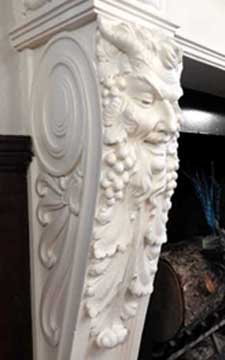
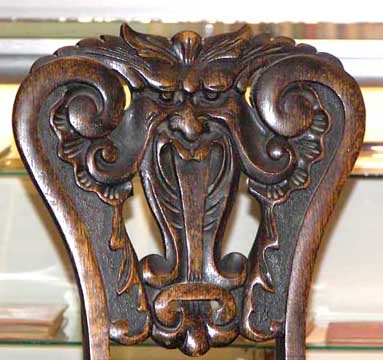
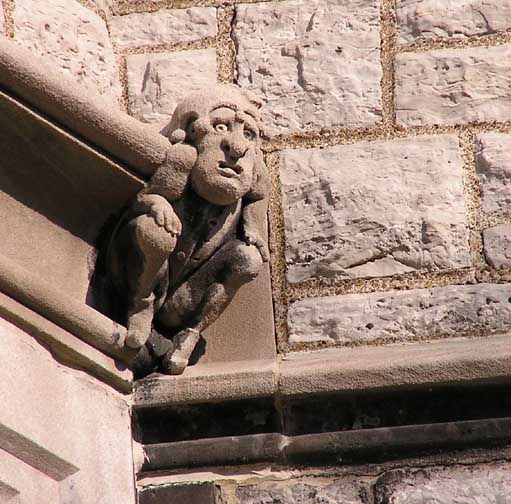
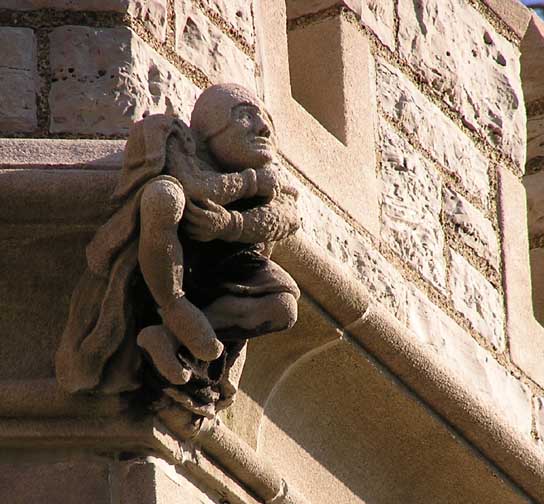
Art chracterized by an incongruous mixture of parts of humans and animals interwoven with plants.
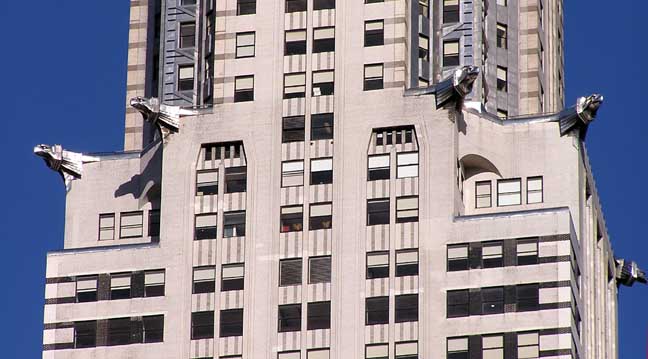
Grotesques are often confused with gargoyles, but the distinction is that gargoyles are figures that contain a water spout through the mouth, while grotesques do not.
Popular in the Renaissance, lincluding Mannerism.
A row of mythical animal figures was placed on the tails of the ridges at the four corners. These ridge beasts were called 'crouching beasts' in Chinese and most of them were from Chinese fairy tales.
They not only played a decorative role, but also highlighted Chinese beliefs. Ancient Chinese people believed that these mythical ridge beasts on the roofs would prevent fire and drive away demons.
The size and number of ridge beasts symbolized the rank and luxuriousness of the building. As the grade of a building reduced, the ridge beasts decreased accordingly.
- China Hiuhlights, Traditional Chinese Roofs — China’s Roof Architecture (online January 2020)
Cf., Chinese ceramic protection figures: https://buffaloah.com/a/virtual/tc.html#China
Examples from Buffalo:
- Left illustration above: Colonial Revival fireplace - Maltby House
- Right ilustration above: Renaissance Revival oak armchair - Old Editions Book Shop and Café
- Genesee Building/Hyatt Regency-Buffalo
- Bemis House
- Butler House
- Hewitt House/Inn Buffalo
- 800 West Ferry - Darwin R. Martin face
- Albright-Knox Art Gallery - lion head
- Butler House, 429 Linwood Ave.
- Old Post Office/ECC
- Old Post Office/ECC - leaf
- Bemis-Ransom House
- Miller House - fierce grotesque
- Miller House - humorous grotesque
- Miller House- human figure - demons
- Knox House
Othr examples:
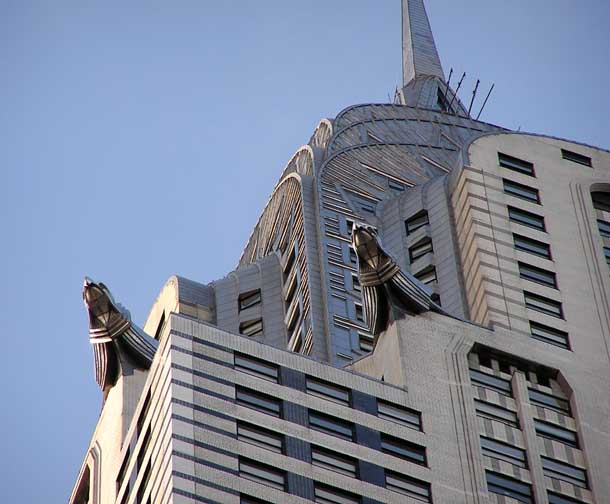
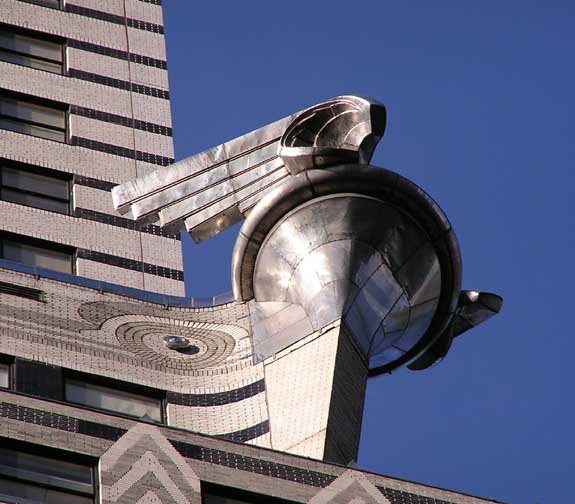
- Chrysler Building, New York City - Photo #1
- Chrysler Building, New York City - Photo #2
- Chrysler Building, New York City - Photo #3
- Four grotesques: Tribune Tower, Chicago, Illinois
- Albany City Hall
- Parthenon lion head - Athens, Greece
- Corbel #1 supporting balcony - Catania, Sicily
- Corbel #2 supporting balcony - Catania, Sicily
- Prague Old Town Hall, Czech Republic
- Charles University, Prague, Czech Republic
- Royal Palace of Madrid, Spain
- Basilica of Saints Nazarius and Celsus, Carcassonne, France
- Galleria Vittorio Emanuele II, Milan, Italy
- Sforza Castle, Milan, Italy
- Furniture: Château de Bourdeilles, France
- Furniture: Renaissance Revival library table - Kelly Schultz Antiques