Trinity Episcopal Church - Table of Contents
ILLUSTRATED
HISTORY
- Trinity Episcopal Church
389 Delaware
Avenue, Buffalo, NY
See also: James Napora, History of Trinity Episcopal Church
Trinity Episcopal Church - Table of Contents
ILLUSTRATED
HISTORY
- Trinity Episcopal Church
389 Delaware
Avenue, Buffalo, NY
See also: James Napora, History of Trinity Episcopal Church
- 1869
- Arthur Gilman, Boston
- See also: Highlights of Buffalo History, 1869
Christ Chapel remodeled/ architect:
- 1913
- Cram, Goodhue, and Ferguson,
TRINITY CHURCH erected/ architect:
- Trinity Church - 1886
- Original plans: Arthur Gilman
- Revised plans: Cyrus K. Porter
TRINITY CHURCH contractors
Charles Berrick and John Briggs Parish House erected/ architect:
- 1904
- Cram, Goodhue, and Ferguson
Status:
City of Buffalo Landmark Oldest Episcopal Churches in Buffalo:
- (First) St. Paul's - 1819
- (First) Trinity - 1842
- (First) St. John's - 1848 (presently the site of Dunn Baseball Park
Illustrated History
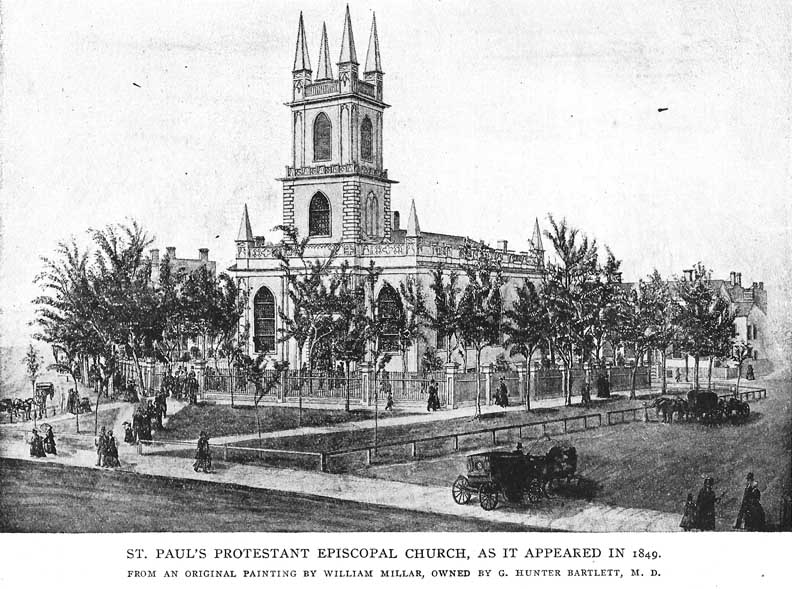
The first St. Paul's Church (wood; built 1819) ... The second Episcopal church to be established in Buffalo, Trinity Church was organized on 12 October, 1836, in a meeting held at St. Paul's Episcopal Church ...
Source: The Picture Book of Earlier Buffalo, Severance, Frank H., ed. Buffalo Historical Society Publications, Vol. 16, 1912, p. 108
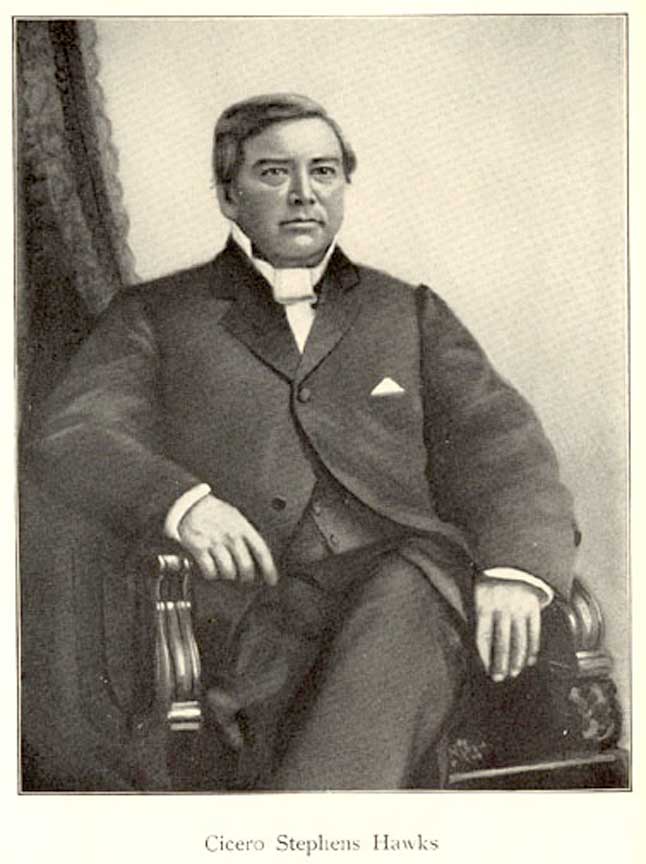
The Trinity charter members began worshipping under Rev. Cicero Stephen Hawks
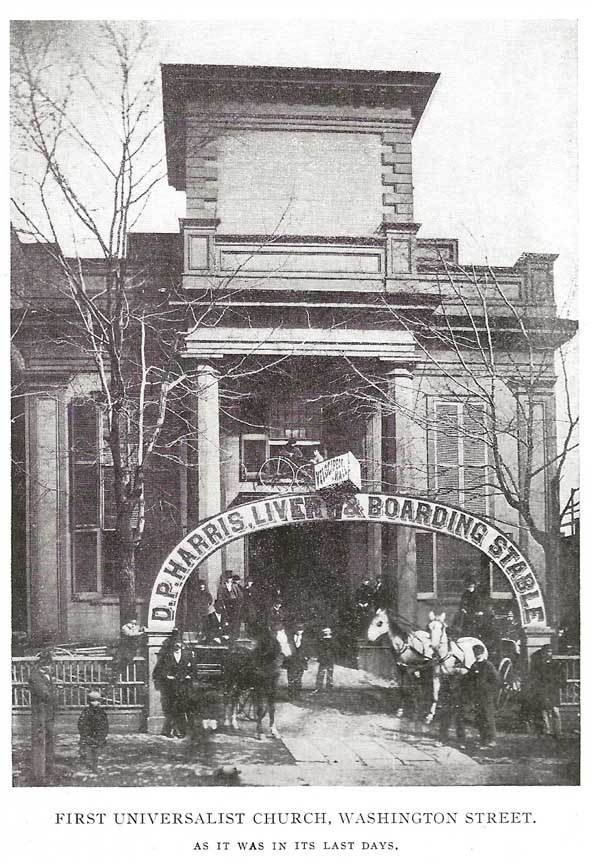
In October, 1839 Trinity parish secured the use of the Universalist Church on Washington Street near South Division ...
Source: The Picture Book of Earlier Buffalo, Severance, Frank H., ed. Buffalo Historical Society Publications, Vol. 16, 1912, p. 122
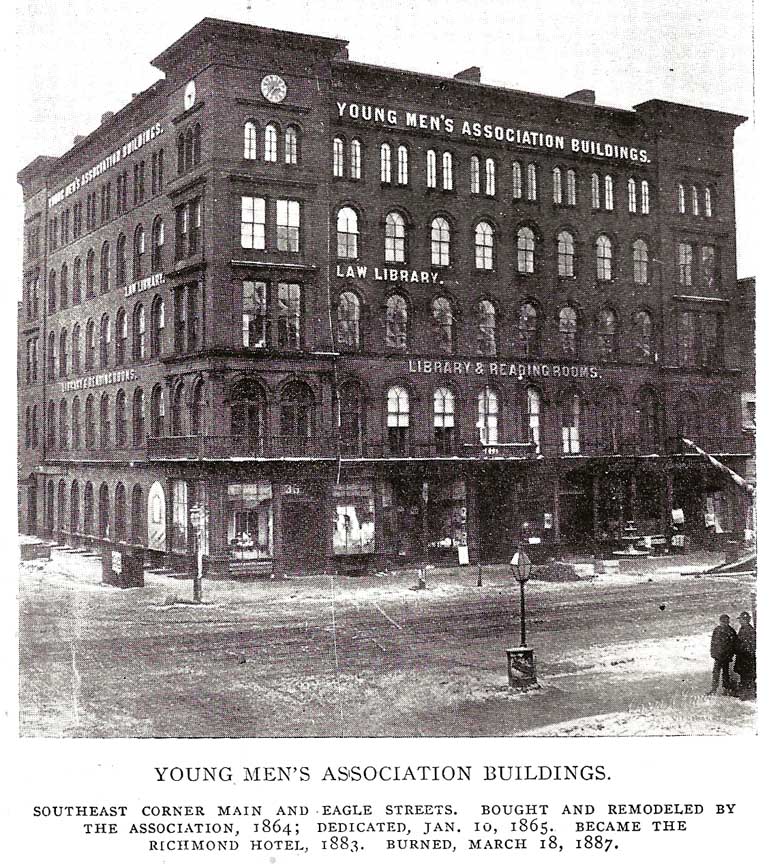
Trinity moved to a second floor space in the spring of 1841 ... Richmond Hotel ...
Source: The Picture Book of Earlier Buffalo, Severance, Frank H., ed. Buffalo Historical Society Publications, Vol. 16, 1912, p. 158
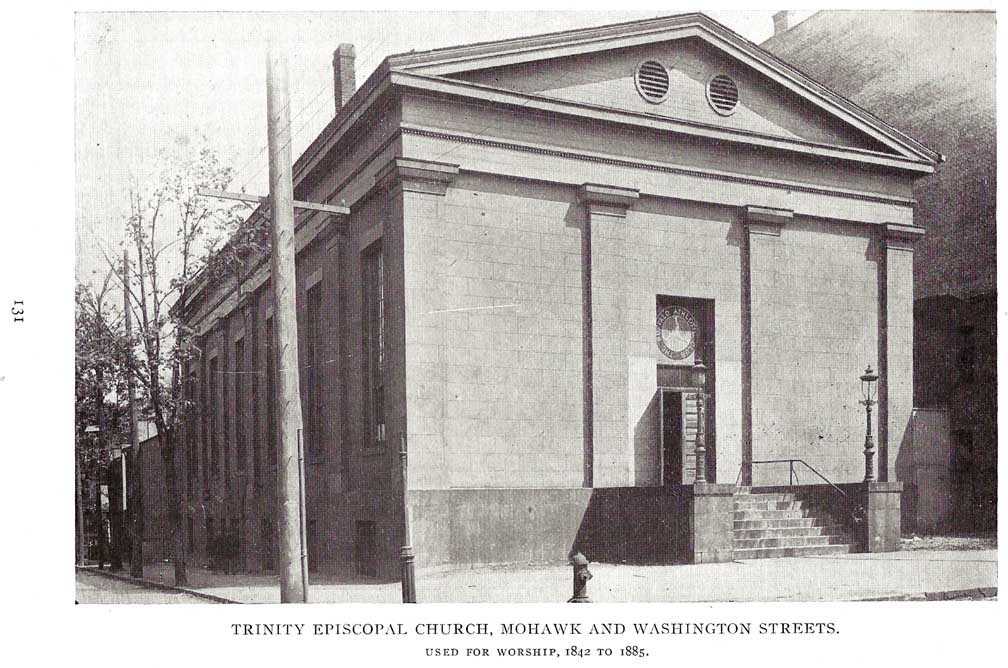
The first Trinity Church on on Washington and Mohawk Streets ... The first service was conducted in the partially completed building in December, 1842 ...
Source: The Picture Book of Earlier Buffalo, Severance, Frank H., ed. Buffalo Historical Society Publications, Vol. 16, 1912, p. 131
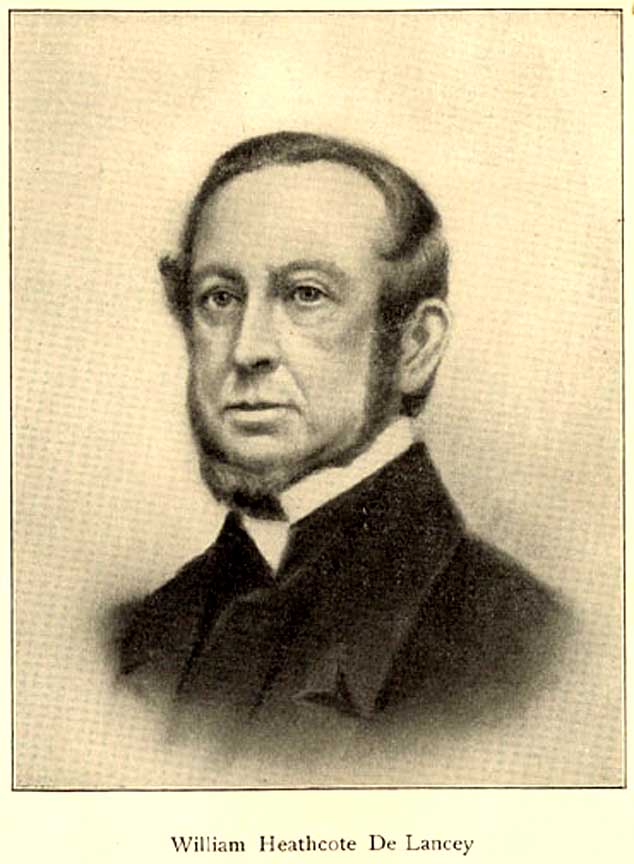
In 1843 Bishop DeLancey consecrated the completed Trinity Church structure
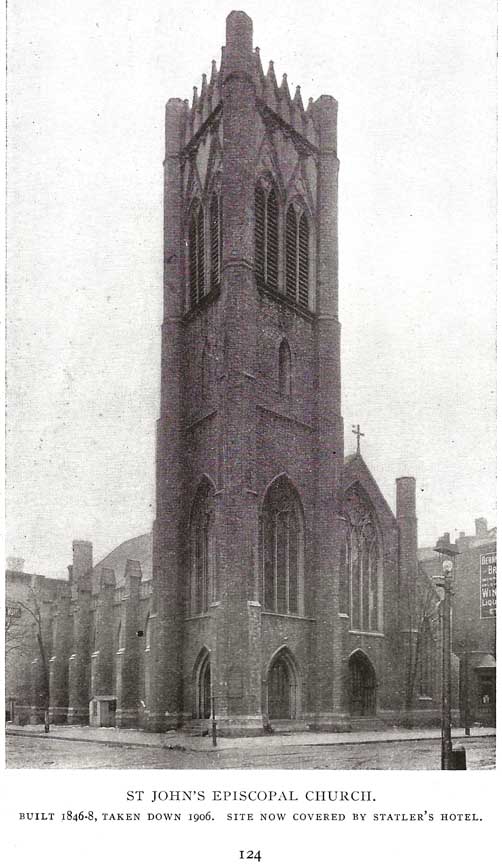
The first St. John's Church on Washington near Swan ... A schism in Trinity displaced a group of bachelors who founded St. John's. ... Statler Hotel ...
Source: The Picture Book of Earlier Buffalo, Severance, Frank H., ed. Buffalo Historical Society Publications, Vol. 16, 1912, p. 124
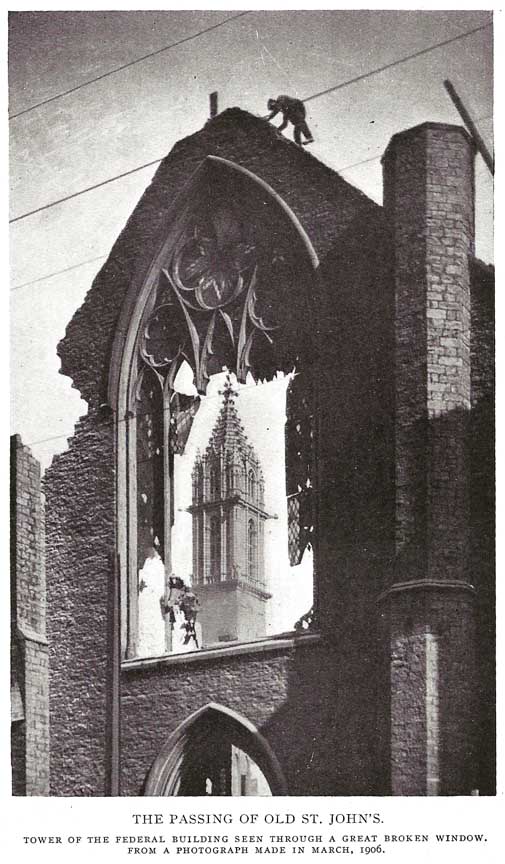
Federal Building ... A skyrocket landed in the tower of the original St. John's Church resulting in extensive damage to the building. Church members who disagreed with the decision to rebuild left and organized Christ Church on Delaware Avenue. ...
Source: The Picture Book of Earlier Buffalo, Severance, Frank H., ed. Buffalo Historical Society Publications, Vol. 16, 1912, p. 125
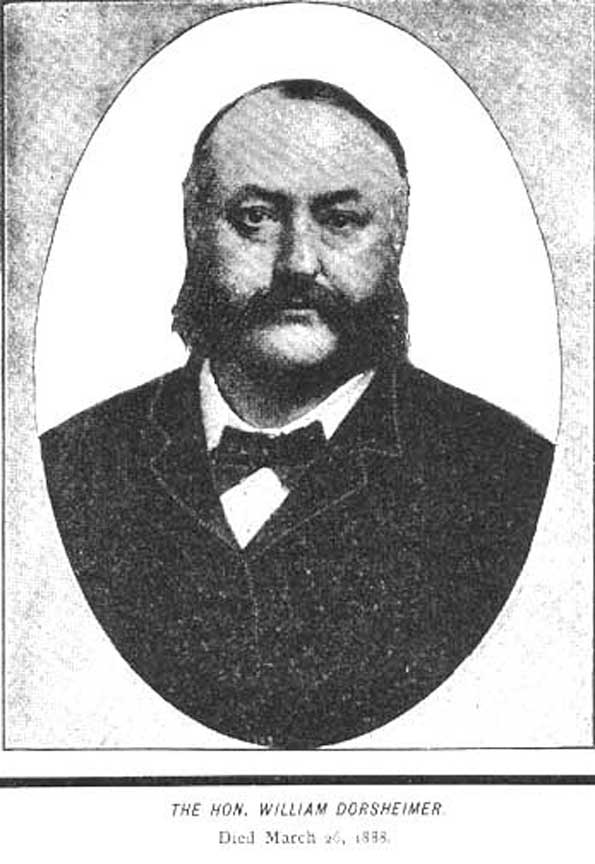
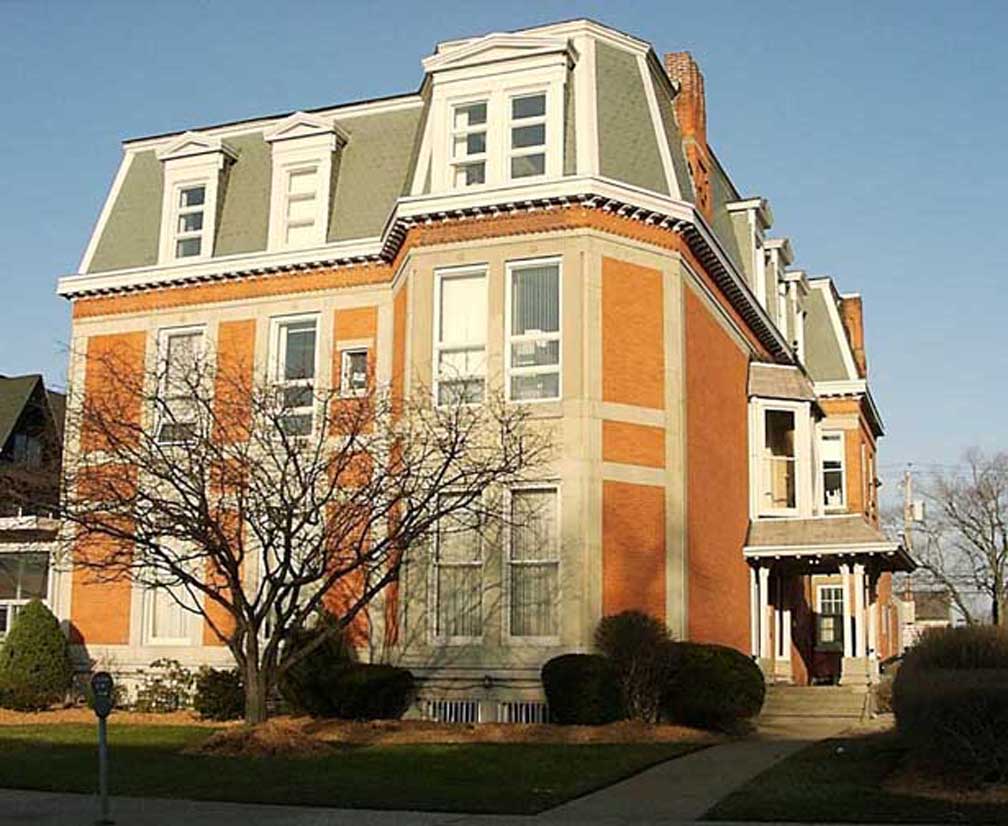
William Dorsheimer was an early advocate of H. H. Richardson and Olmsted and Vaux. Three years earlier, Richardson had designed a house for Dorsheimer at 434 Delaware Avenue [photo below].
Dorsheimer was the chief promoter of the innovative park system that Frederick Law Olmsted and Calvert Vaux designed for Buffalo, and Dorsheimer was instrumental in getting Richardson the job to design the mammoth Buffalo State Hospital.
Dorsheimer pledged $500 toward the building of a new Trinity Church in 1871. Perhaps the building committee contacted H. H. Richardson about a design at Dorsheimer's urging.
Illustration source: The Pictorial Year-Book and Calendar for 1888, a publication from the Buffalo Express. Buffalo: Matthews, Northrup, & Co.
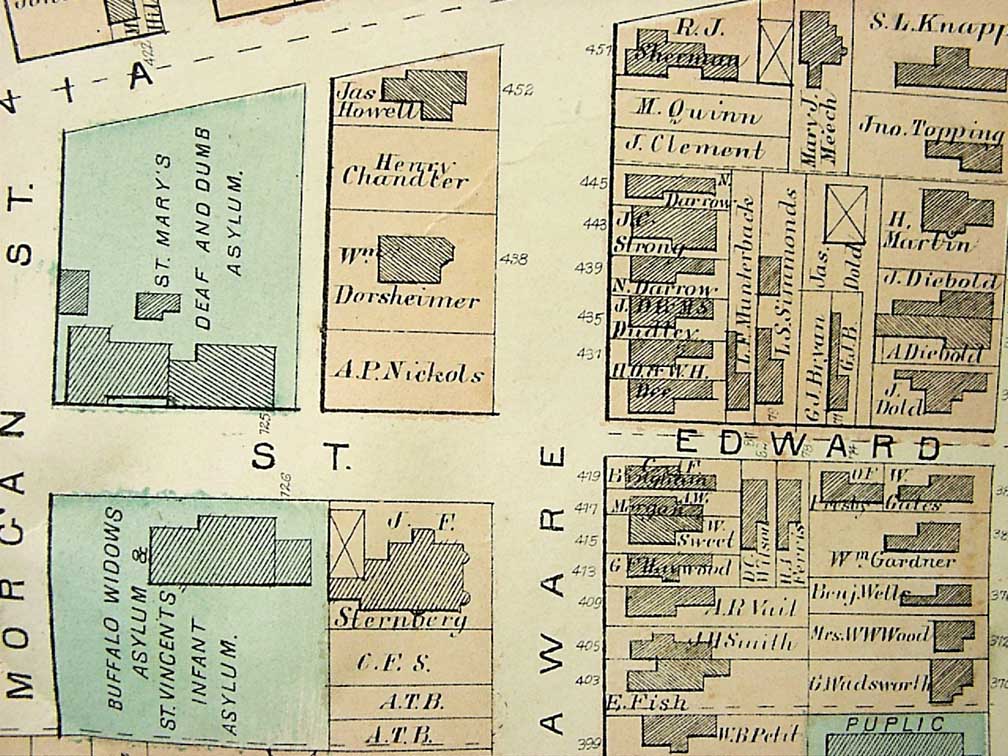
Dorsheimer House designed by H. H. Richardson, one block north of the church on Delaware (See maps in lower two illustrations)
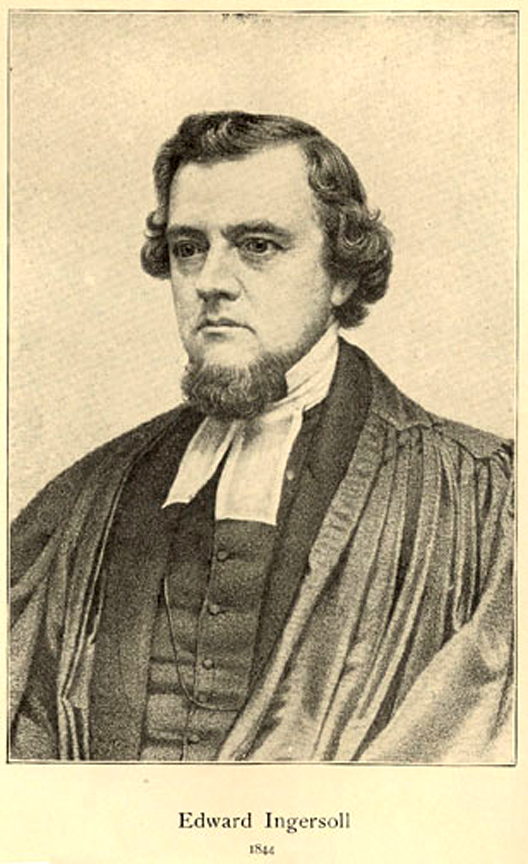
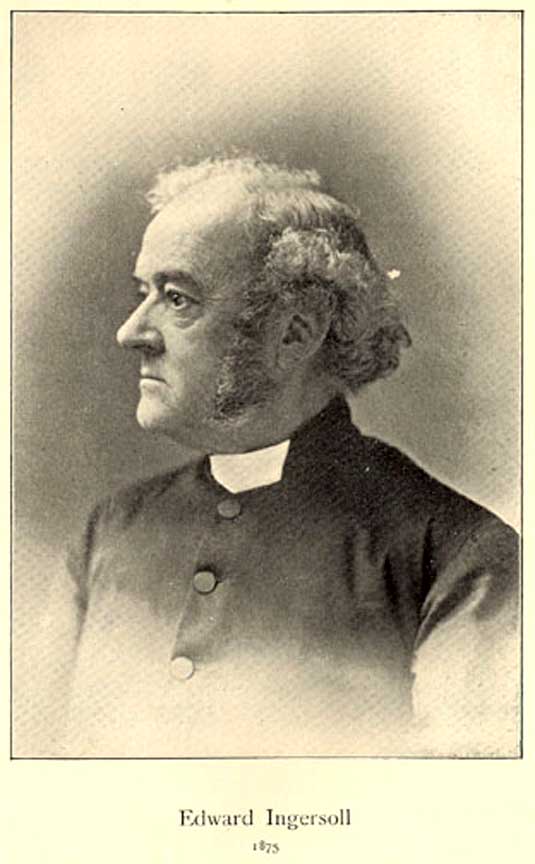
In 1872, the Trinity congregation began developing plans for the construction of a new church. They contracted architect H. H. Richardson to provide a suitable design. With plans prepared they began looking for a appropriate site. The purchase of a lot on Delaware near Johnson Park divided the members resulting in the abandonment of the project. The second rector, Edward Ingersoll, resigned in 1873, discouraged over the failure to build a new church.
Illustration source: Buffalo Projects: H. H. Richardson, by Francis R. Kowsky. Catalog for the 1980 exhibit organized by the Burchfield Center
Rector Ingersoll resigned in 1873, discouraged over the failure to build a new church.
Church of the Good Shepherd Episcopal Church was founded as a memorial to Edward Ingersoll
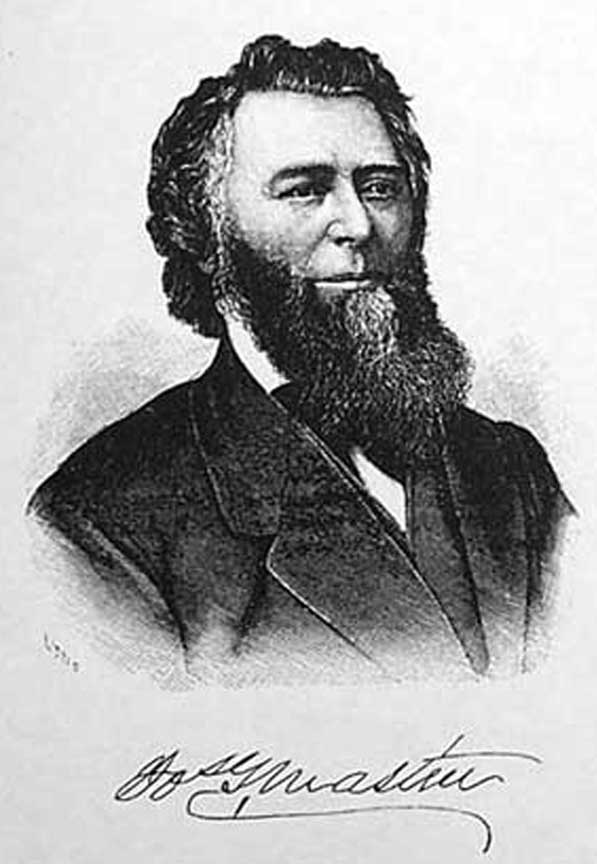
Judge/Mayor Joseph Masten was a founding father of St. John's Episcopal Church and Christ Church
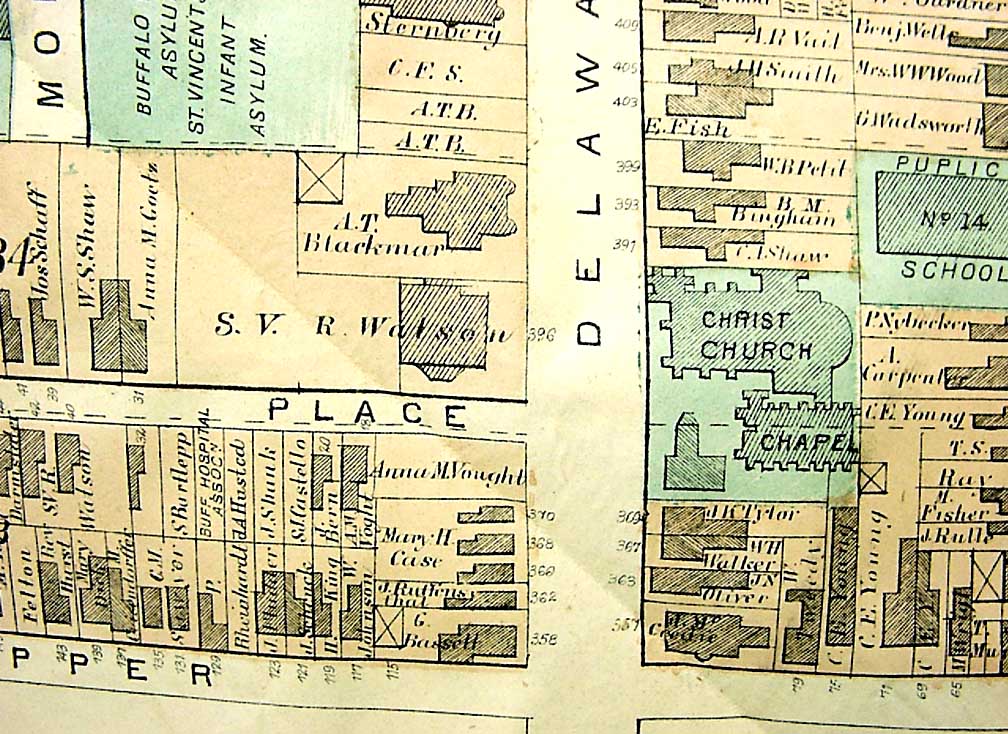
Sanford map showing location of Christ Church and Chapel, and the S.V.R. Watson House
Sanford map showing the Dorsheimer House
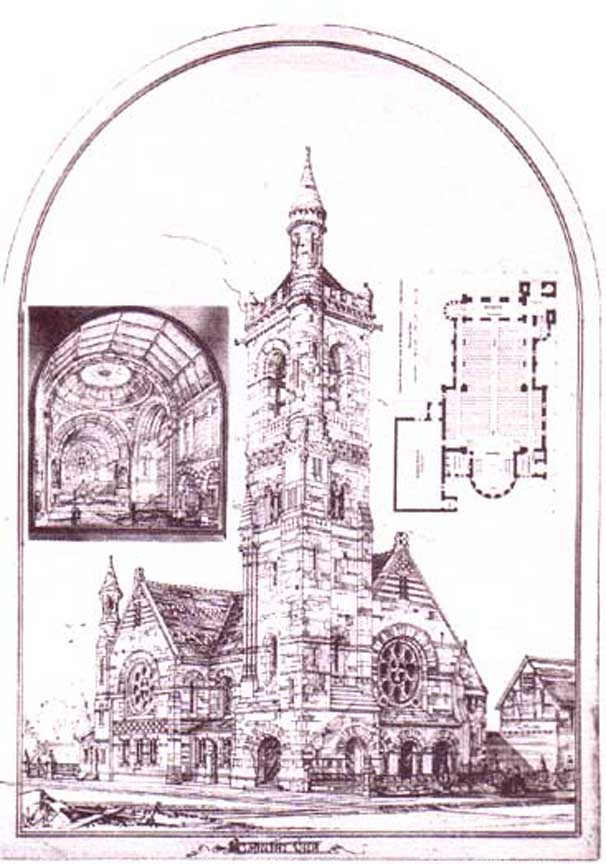
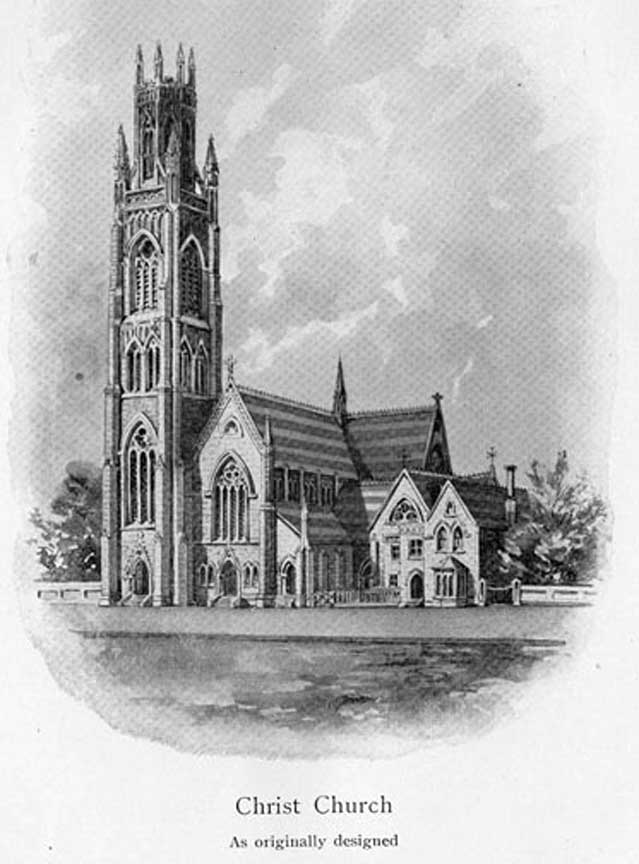
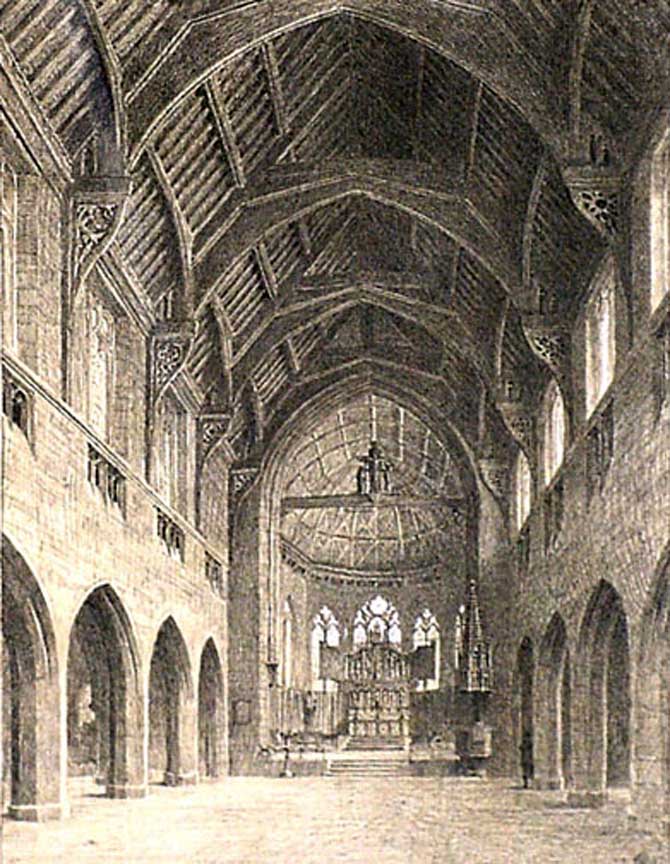
Arthur Gilman's design for Trinity Church at 389 Delaware. Only the foundation was laid. ... Illustration source: Trinity Episcopal Church archives
Arthur Gilman's design for Trinity Church at Delaware and Johnson Park -- never built ... Illustration source: Trinity Episcopal Church archives
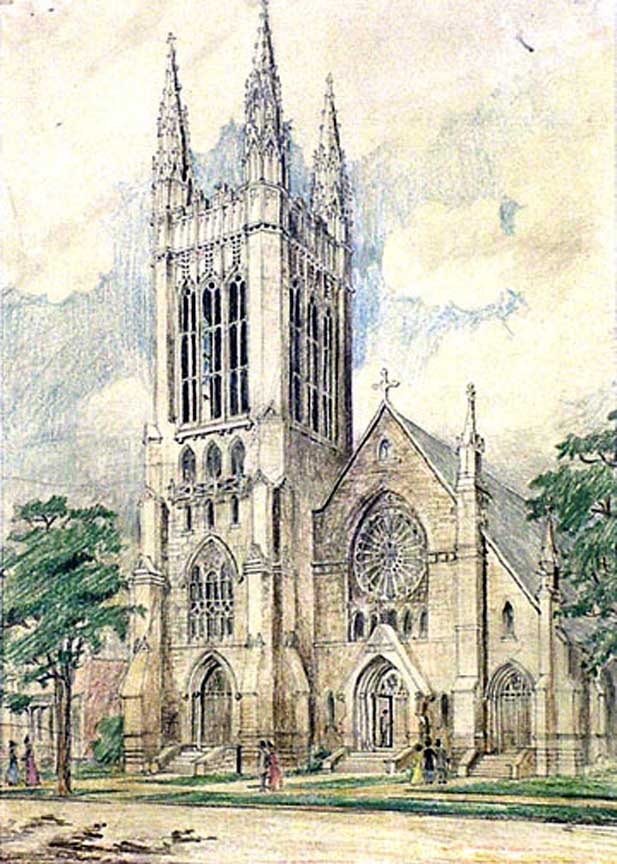
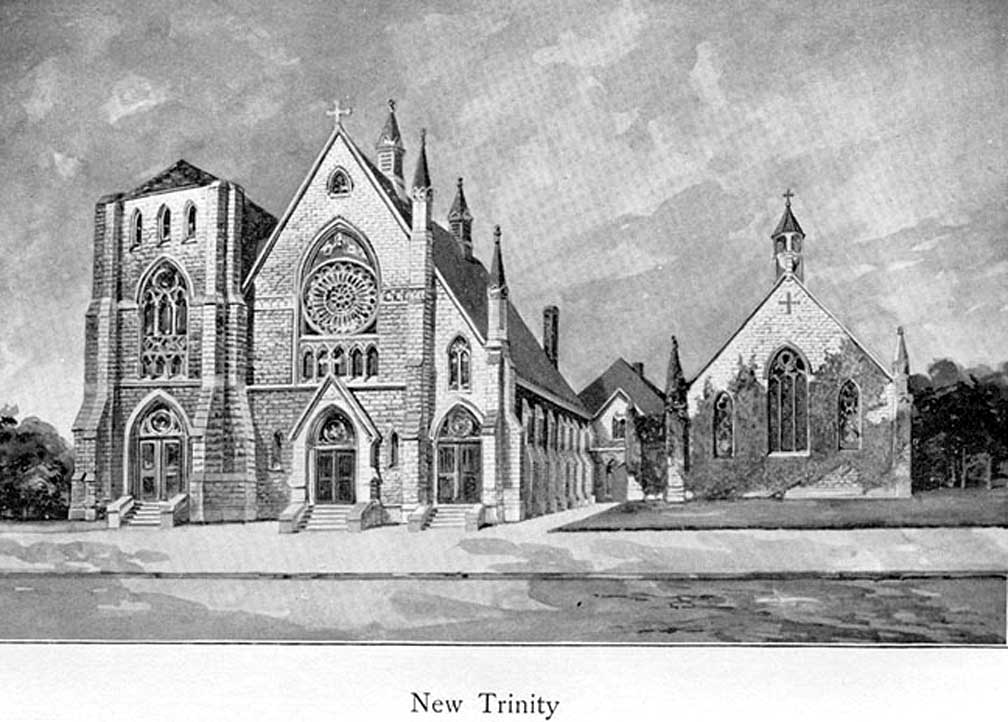
Cyrus K. Porter's revision of Gilman's design for 389 Delaware ... Illustration source: Trinity Episcopal Church archives
The second Trinity Church and Christ Chapel (Church)
Mr. and Mrs. Stephen Van Rensselaer Watson
Mr. and Mrs. Stephen Van Rensselaer Watson were the clients for the famous LaFarge window The Sealing of the Twelve Tribes. ... The Watsons lived directly across the street from the church ... Source: Photo from June 2, 1931 Times.